





2025年《财富》全球未来50强

2025年迄今,全球企业经历了一段动荡不安的时期。国际贸易与关税格局变幻莫测,人工智能竞赛愈演愈烈,使得变革节奏比以往更加迅猛。成本攀升,企业破产数量激增。然而,在各行各业中,仍然有一些企业不仅稳住了阵脚,更是蓬勃发展。在众多市场中,强劲的股价表现表明投资者依然保持乐观态度。
那么,我们如何才能判断哪些企业具备长期增长潜力、能够为利益相关方带来可观的回报呢?自2017年起,波士顿咨询公司(BCG)与《财富》杂志携手,采用“企业活力”这一可量化、可管理的指标,对筛选出的全球规模最大企业的内生增长潜能进行评估。每年,“活力”得分最高的企业将入选《财富》全球未来50强榜单。
本次筛选涵盖3,000多家企业,其中包括150多家由私人资本支持的、未上市的新创企业。今年,我们分析了逾千万条数据点,提炼出25项关键指标,以前所未有的深度剖析企业的战略布局、技术实力、人才队伍、组织架构和企业文化。每项指标都与高于平均水平的业务表现高度相关,并共同构成波士顿咨询公司的“净活力得分”(Net Vitality Score)。
从历史表现来看,未来50强企业的股票长期跑赢同业。自该榜单创立以来,未来50强企业的年均总回报率为12%,比MSCI世界指数(MSCI World)高出1.4个百分点。(去年入选企业的开局更加强劲:2024年的未来50强中的上市公司组合比MSCI世界指数高出2.6个百分点。)
亮点企业
1 Snowflake
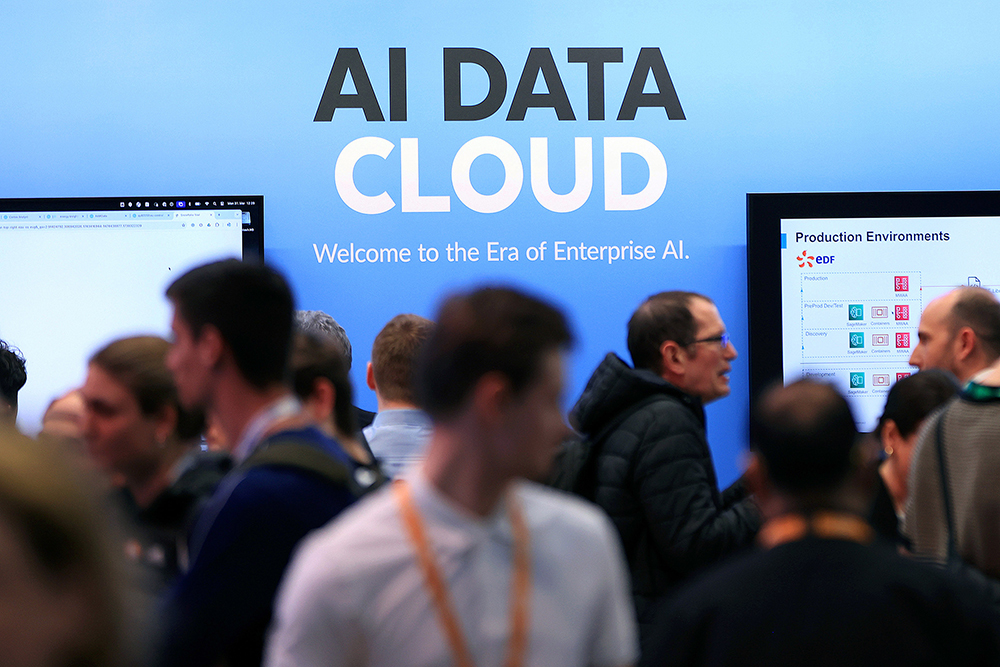
Snowflake公司总部位于美国蒙大拿州,最初因为2020年秋季一场热度极高的IPO而引发关注。2024年2月,谷歌(Google)的资深员工、人工智能新创企业的创始人斯里达尔·拉马斯瓦米出任公司的首席执行官,此后Snowflake便全面投身人工智能领域。公司的人工智能数据云支持一系列分析功能与人工智能应用。在拉马斯瓦米的领导下,该公司积极开展收购活动,收购的新创企业包括数据库软件制造商Crunchy Data、人工智能可观测性工具提供商TruEra,以及数据管道管理公司Datavolo。2025年6月,该公司宣布与《今日美国》(USA Today)及美联社(Associated Press)建立合作关系,此举将允许其客户围绕这些机构的内容开发应用程序。
该公司当前财年(截至2026年1月)的营收有望达到46亿美元,这意味着其销售额将在三年内实现两倍以上的增长。
9 Wayve Technologies
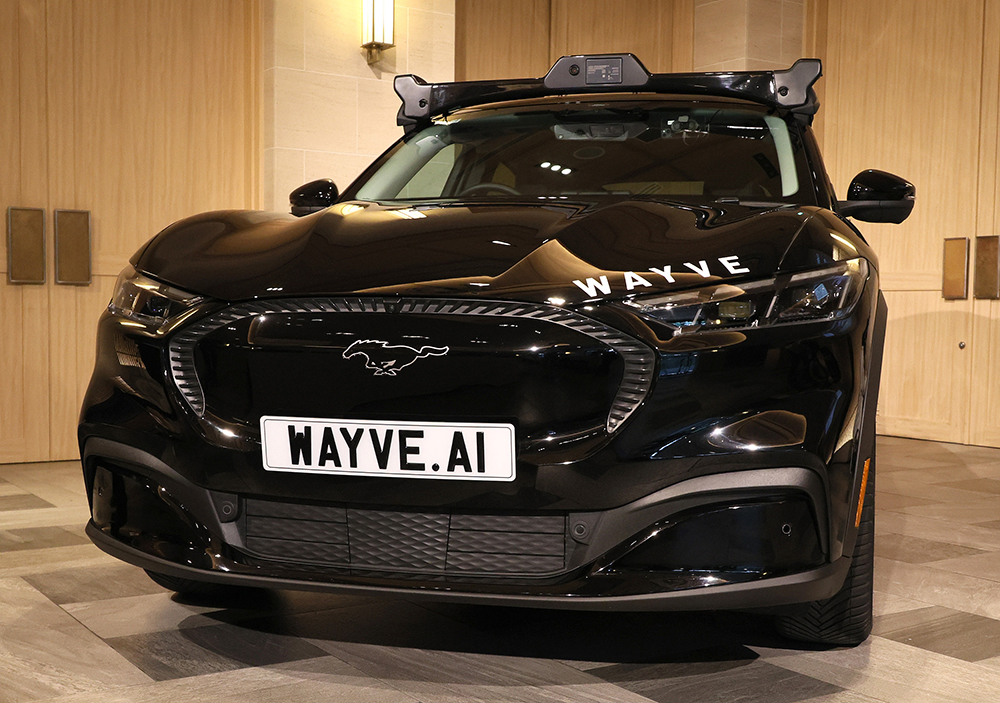
Wayve的总部位于英国伦敦,开创了基于“端到端深度学习”的自动驾驶系统。该系统将车辆传感器采集的数据输入神经网络,由神经网络负责车辆导航,而非依赖一套预先编写的规则。随着人工智能能力的提升,Wayve的这种技术路线在自动驾驶竞争对手中已经变得更为普遍。这家新创企业已经从英伟达(Nvidia)、微软(Microsoft)等投资者那里筹集了超过10亿美元资金。2026 年,该公司将与Uber合作在伦敦推出自动驾驶出租车测试,而日产汽车(Nissan)计划从2027年起将Wayve的软件整合到其车辆中。
16 文远知行

文远知行在自动驾驶领域已经领先众多竞争对手,不仅在中国多个城市推出自动驾驶出租车和自动驾驶巴士,还在阿联酋、新加坡以及欧美部分市场开展相关业务。这家总部位于广州的公司不仅能够造车,还可以生产传感器,开发软件,并与多家汽车制造商建立了合作关系。
2024年10月,文远知行通过IPO筹集了约4.5亿美元。尽管此后其股价表现疲软,但业务仍然在稳步增长:2025年8月,公司宣布与Grab达成合作,这一合作有望让数千辆文远知行自动驾驶出租车在东南亚地区投入运营。
26 Reddit
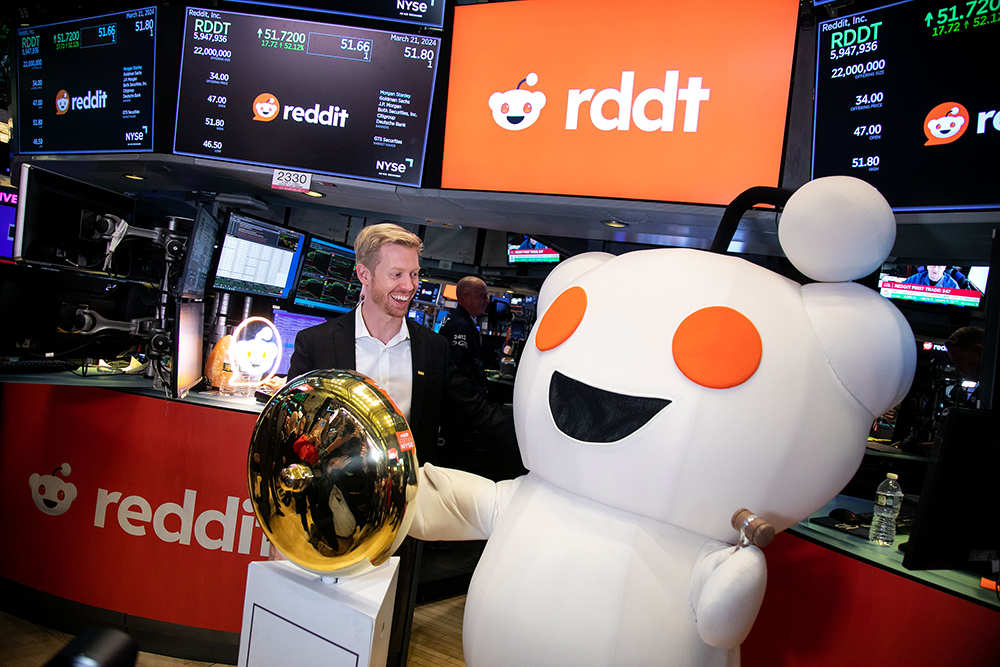
Reddit基本上是一个由用户管理、自称为“社区之社区”的平台。在该平台上,网民能够聚集在一起(开展多种活动)分享“奇葩老板”的故事、争论热门股票的投资价值,或是发帖询问“是否有问题的是自己”。如今,它已经成为一家增长迅速的企业。2025 年第二季度,该公司的营收达到5亿美元,同比增长78%,且实现了连续第四个季度盈利。Reddit财务业绩改善的关键因素包括广告技术的快速提升以及一系列授权协议。根据这些协议,人工智能公司可以使用其数据来微调大型语言模型。目前,这家社交平台的日活跃用户达到了1.1亿,其中6,000万用户来自美国以外地区。与此同时,自2024年3月IPO以来,Reddit的股价已经上涨超过四倍。
29 Anthropic

在人工智能领域的竞争中,Anthropic占据着独特的赛道。它不仅开发营利性人工智能平台,同时相较于竞争对手,它还投入更多的资源用于研究人工智能应用在伦理和政治层面的影响。这种审慎态度并未阻碍Anthropic融资或创收。这家公司的投资者包括亚马逊(Amazon)和谷歌(Google),目前的估值达到615亿美元。据报道,得益于其代码生成人工智能产品Opus的大热,该公司2025年的营收有望从2024年的10亿美元增至50亿美元。
32 可画(Canva)

总部位于澳大利亚悉尼的可画由首席执行官梅兰妮·珀金斯与两位合伙人共同创立,其初衷是打造一款易用的工具,用于替代Photoshop。此后,该公司不断拓展业务范围与技术目标,推出了人工智能驱动的编码工具和生产力软件,与谷歌文档(Google Docs)、微软Office等产品展开竞争。可画宣称拥有2.3亿用户,其估值至少为320亿美元,是全球市值最高、由女性创建并领导的新创企业。
完整榜单
公司 国家 行业
Snowflake 美国 信息技术
Databricks 美国 信息技术
Celonis 德国 信息技术
DataRobot 美国 信息技术
Astera Labs 美国 信息技术
HubSpot 美国 信息技术
Samsara 美国 信息技术
IonQ 美国 信息技术
Wayve Technologies 英国 信息技术
Netskope 美国 信息技术
Atlassian 美国 信息技术
OpenAI 美国 信息技术
Klaviyo 美国 信息技术
Tempus AI 美国 医疗保健
Datadog 美国 信息技术
文远知行 中国 信息技术
Shopify 加拿大 信息技术
Groq 美国 信息技术
Content Square SAS 法国 信息技术
Affirm Holdings 美国 金融
Faire 美国 非必需消费品
Discord 美国 通信服务
GitLab 美国 信息技术
AppFolio 美国 信息技术
Snyk 英国 信息技术
Reddit 美国 通信服务
Dataminr 美国 信息技术
CrowdStrike Holdings 美国 信息技术
Anthropic 美国 信息技术
小马智行 中国 信息技术
Palantir Technologies 美国 信息技术
可画(Canva) 澳大利亚 信息技术
Zscaler 美国 信息技术
Themis Solutions (Clio) 加拿大 信息技术
多邻国(Duolingo) 美国 信息技术
SentinelOne 美国 信息技术
SambaNova Systems 美国 信息技术
Roku 美国 通信服务
Monday.com 以色列 信息技术
Back Market 美国 非必需消费品
Lentra 印度 信息技术
Mohalla Tech 印度 通信服务
Chime 加拿大 信息技术
Formagrid (Airtable) 美国 信息技术
Arctic Wolf Networks 美国 信息技术
OneTrust 美国 信息技术
DocuSign 美国 信息技术
Roblox 美国 通信服务
Confluent 美国 信息技术
Commure 美国 信息技术
未来50强:值得投资者和首席执行官关注的高增长企业
软件行业胜出
美国科技公司,尤其是软件企业,在未来50强榜单中占据主导地位,这体现了其业务的可扩展性,以及对人才引进和研发工作的不懈投入。今年也不例外:云数据存储公司Snowflake荣登榜首,数据、分析与人工智能服务商Databricks紧随其后,名列第2位。这两家公司都把握住了商业人工智能浪潮带来的机遇,它们的平台帮助企业解锁并激活自身数据,为人工智能应用奠定基础。
总体来看,今年的榜单共收录38家软件企业和人工智能企业,其他上榜企业则来自数字媒体、科技硬件、电子商务、金融科技和健康科技等领域。美国企业占据50强中76%的席位,澳大利亚、加拿大、中国、欧洲和印度的企业也榜上有名。
尽管私营企业仅占我们所研究企业总数的5%,但却拿下了未来50强榜单中的25个席位。德国的软件即服务(SaaS)提供商Celonis(第3位)以及美国的高增长人工智能企业OpenAI(第12位)和Anthropic(第29位)等企业,都在加大产品开发和人才投入,全力实现其宏伟增长目标,并吸引着跃跃欲试的风险投资为其助力。
今年,有一个类别的缺席格外显眼:首次出现没有企业同时入选未来50强和《财富》美国500强榜单(按照营收排名的美国最大公司)的情况。小型企业凭借精简组织架构具备天然的灵活优势。但未来50强的企业随着规模扩大“晋级”美国500强的情况并不罕见(例如,2018年的榜首企业Workday)。在今年上榜的25家上市公司中,Reddit(第26位)和Palantir(第31位)等企业具备这种潜力。与此同时,OpenAI虽然没有正式披露营收数据,但据报道其年化销售额已经突破120亿美元,已经达到《财富》美国500强的规模。
虽然规模巨大,但“活力”依旧
对于大型上市公司而言,实现持续增长面临重重障碍。它们需要保护传统业务,而可用的资金往往十分有限,需要管理庞大的组织架构,同时还要应对激进投资者的压力。尽管如此,在年营收超过100亿美元的上市公司中,仍然有120家公司跻身我们的“活力”得分前四分之一行列。这些公司虽然未能跻身前50位,但名列约前750位左右。
其中既有苹果(Apple)、亚马逊(Amazon)、Alphabet等科技巨头,也包括美团、Coupang和MercadoLibre等国际级超级应用程序。但脱颖而出的并不只是这些以数字业务为核心的巨头。以下三大非软件行业巨头的经验值得我们借鉴。
汽车行业
大众集团(Volkswagen Group)旗下的保时捷(Porsche)和中国吉利控股旗下的沃尔沃汽车(Volvo Cars)等企业,凭借对研发的持续投入(尤其在自动驾驶和可持续出行领域)表现突出。法国汽车零部件供应商法雷奥(Valeo)在全球运营着60多个研发中心。而赛力斯则通过旗下的问界(AITO)品牌与华为合作,依靠技术创新跻身中国高端电动汽车市场前列。
医疗保健行业
瑞士的罗氏(Roche)与美国的制药巨头礼来(Eli Lilly)居大型制药企业评分前列。这两家公司都积极地与小型生物技术企业和学术机构合作开展新药研发,并在人工智能应用、临床试验优化以及监管管理自动化文档流程方面投入巨资。
消费品行业
H&M凭借极具竞争力的人才战略跻身前四分之一行列。该公司依靠健康的内部人员流动和积极的招聘机制确保知识体系常新,并通过对领导层多元化的承诺助力其更好地服务全球客户群。近期,欧洲领先的时尚生活电商平台Zalando则通过与竞争对手About You合并强化区域布局,同时持续加大对核心工程和产品团队建设的投入。
更智能、更快速、更具韧性
对于希望提升企业增长力和持久力的首席执行官们来说,好消息是:无论规模大小,任何公司都可以提升活力。仅过去一年,就有300多家大型上市公司显著提升了企业活力。
根据波士顿咨询公司的研究,表现突出的企业有三个共同点。首先,它们向投资者、外部创新伙伴和员工清晰地阐述增长愿景。其次,这使得它们能够引进真正经历过“从零到一”创业历程的业务开拓者。最后,所有这些举措都深植于真正由高层领导支持的企业文化之中,包括首席执行官在内的所有高管亲力亲为,指导团队、提出挑战、充分赋能并进行严谨的增长投资。至关重要的是,这些举措往往与加快采用人工智能技术同时进行。
活力不是特权,而是选择。不同行业、不同地域的企业都在探索更智能、更快速、更具韧性的发展方式。一个更具活力的经济可以为所有人创造价值:回报投资者,赋能员工,并推动整个社会进步。未来属于那些亲手创造它的人。
《财富》全球未来50强制榜方法
为评选出2025年的《财富》全球未来50强,波士顿咨询公司(Boston Consulting Group)对三类企业进行了考察:2,800多家市值不低于50亿美元的上市公司、150多家自成立以来融资额不低于10亿美元的私营企业,以及50多家员工人数超过2万名的其他私企。私营企业于2024年起被纳入评选分析范围。
该榜单排名基于每家企业的“活力得分”。2025年的活力得分由25个指标构成,旨在衡量企业的能力,预测其长远销售增长情况。这些指标被划分至四个类别:战略、技术、人才和文化。
战略
我们运用人工智能算法,通过财报电话会议内容评估企业战略的清晰度、竞争优势和创新投入力度。同时,我们还会评估每家企业进入资本市场的能力,以及为核心员工创造并分享价值的能力。为考量外部创新情况,我们会将企业的初创投资与收购资产组合,与全球表现最佳的风险投资基金进行对比。此外,我们还会根据企业资源在各业务部门间的分配情况,评估其战略聚焦程度。
技术
我们将企业资本支出(占销售额的百分比)作为衡量其未来内部投资的指标。我们还将通过分析企业专利组合的增长势头、技术架构的可扩展性,以及全体员工的人工智能应用能力和其他数字技能水平,来评估企业的技术优势。
人才
我们采用详细的职位分类体系,来评估企业研发团队和产品团队的相对规模,以及创新人才的任职年限和内部岗位流动情况。我们还会通过分析职位描述和员工地理位置的变化,评估这些创新人才的人工智能技能水平和国际多样性。此外,我们运用自然语言处理算法来分析分析师电话会议记录,以此评估企业在创新方面的外部合作程度。
文化
我们通过考察中层管理人员占比和内部职能岗位员工占比,评估企业的组织复杂度。作为衡量企业灵活性的另一项指标,我们会分析员工对工作的评价,从中寻找官僚主义的迹象。我们还会评估公司员工流动率的健康水平,以及公司从其他高增长企业吸引人才的能力。此外,我们还会借助大型语言模型分析,了解公司在多大程度上通过激励领导层来实现长期增长。(财富中文网)
作者:Ketil Gjerstad, Marley Finley, Johann Harnoss
译者:Biz、Feb
2025年迄今,全球企业经历了一段动荡不安的时期。国际贸易与关税格局变幻莫测,人工智能竞赛愈演愈烈,使得变革节奏比以往更加迅猛。成本攀升,企业破产数量激增。然而,在各行各业中,仍然有一些企业不仅稳住了阵脚,更是蓬勃发展。在众多市场中,强劲的股价表现表明投资者依然保持乐观态度。
那么,我们如何才能判断哪些企业具备长期增长潜力、能够为利益相关方带来可观的回报呢?自2017年起,波士顿咨询公司(BCG)与《财富》杂志携手,采用“企业活力”这一可量化、可管理的指标,对筛选出的全球规模最大企业的内生增长潜能进行评估。每年,“活力”得分最高的企业将入选《财富》全球未来50强榜单。
本次筛选涵盖3,000多家企业,其中包括150多家由私人资本支持的、未上市的新创企业。今年,我们分析了逾千万条数据点,提炼出25项关键指标,以前所未有的深度剖析企业的战略布局、技术实力、人才队伍、组织架构和企业文化。每项指标都与高于平均水平的业务表现高度相关,并共同构成波士顿咨询公司的“净活力得分”(Net Vitality Score)。
从历史表现来看,未来50强企业的股票长期跑赢同业。自该榜单创立以来,未来50强企业的年均总回报率为12%,比MSCI世界指数(MSCI World)高出1.4个百分点。(去年入选企业的开局更加强劲:2024年的未来50强中的上市公司组合比MSCI世界指数高出2.6个百分点。)
亮点企业
1 Snowflake
Snowflake公司总部位于美国蒙大拿州,最初因为2020年秋季一场热度极高的IPO而引发关注。2024年2月,谷歌(Google)的资深员工、人工智能新创企业的创始人斯里达尔·拉马斯瓦米出任公司的首席执行官,此后Snowflake便全面投身人工智能领域。公司的人工智能数据云支持一系列分析功能与人工智能应用。在拉马斯瓦米的领导下,该公司积极开展收购活动,收购的新创企业包括数据库软件制造商Crunchy Data、人工智能可观测性工具提供商TruEra,以及数据管道管理公司Datavolo。2025年6月,该公司宣布与《今日美国》(USA Today)及美联社(Associated Press)建立合作关系,此举将允许其客户围绕这些机构的内容开发应用程序。
该公司当前财年(截至2026年1月)的营收有望达到46亿美元,这意味着其销售额将在三年内实现两倍以上的增长。
Wayve的总部位于英国伦敦,开创了基于“端到端深度学习”的自动驾驶系统。该系统将车辆传感器采集的数据输入神经网络,由神经网络负责车辆导航,而非依赖一套预先编写的规则。随着人工智能能力的提升,Wayve的这种技术路线在自动驾驶竞争对手中已经变得更为普遍。这家新创企业已经从英伟达(Nvidia)、微软(Microsoft)等投资者那里筹集了超过10亿美元资金。2026 年,该公司将与Uber合作在伦敦推出自动驾驶出租车测试,而日产汽车(Nissan)计划从2027年起将Wayve的软件整合到其车辆中。
16 文远知行
文远知行在自动驾驶领域已经领先众多竞争对手,不仅在中国多个城市推出自动驾驶出租车和自动驾驶巴士,还在阿联酋、新加坡以及欧美部分市场开展相关业务。这家总部位于广州的公司不仅能够造车,还可以生产传感器,开发软件,并与多家汽车制造商建立了合作关系。
2024年10月,文远知行通过IPO筹集了约4.5亿美元。尽管此后其股价表现疲软,但业务仍然在稳步增长:2025年8月,公司宣布与Grab达成合作,这一合作有望让数千辆文远知行自动驾驶出租车在东南亚地区投入运营。
26 Reddit
Reddit基本上是一个由用户管理、自称为“社区之社区”的平台。在该平台上,网民能够聚集在一起(开展多种活动)分享“奇葩老板”的故事、争论热门股票的投资价值,或是发帖询问“是否有问题的是自己”。如今,它已经成为一家增长迅速的企业。2025 年第二季度,该公司的营收达到5亿美元,同比增长78%,且实现了连续第四个季度盈利。Reddit财务业绩改善的关键因素包括广告技术的快速提升以及一系列授权协议。根据这些协议,人工智能公司可以使用其数据来微调大型语言模型。目前,这家社交平台的日活跃用户达到了1.1亿,其中6,000万用户来自美国以外地区。与此同时,自2024年3月IPO以来,Reddit的股价已经上涨超过四倍。
29 Anthropic
在人工智能领域的竞争中,Anthropic占据着独特的赛道。它不仅开发营利性人工智能平台,同时相较于竞争对手,它还投入更多的资源用于研究人工智能应用在伦理和政治层面的影响。这种审慎态度并未阻碍Anthropic融资或创收。这家公司的投资者包括亚马逊(Amazon)和谷歌(Google),目前的估值达到615亿美元。据报道,得益于其代码生成人工智能产品Opus的大热,该公司2025年的营收有望从2024年的10亿美元增至50亿美元。
32 可画(Canva)
总部位于澳大利亚悉尼的可画由首席执行官梅兰妮·珀金斯与两位合伙人共同创立,其初衷是打造一款易用的工具,用于替代Photoshop。此后,该公司不断拓展业务范围与技术目标,推出了人工智能驱动的编码工具和生产力软件,与谷歌文档(Google Docs)、微软Office等产品展开竞争。可画宣称拥有2.3亿用户,其估值至少为320亿美元,是全球市值最高、由女性创建并领导的新创企业。
完整榜单
公司 国家 行业
Snowflake 美国 信息技术
Databricks 美国 信息技术
德国 信息技术
DataRobot 美国 信息技术
Astera Labs 美国 信息技术
HubSpot 美国 信息技术
Samsara 美国 信息技术
IonQ 美国 信息技术
Wayve Technologies 英国 信息技术
Netskope 美国 信息技术
Atlassian 美国 信息技术
OpenAI 美国 信息技术
Klaviyo 美国 信息技术
Tempus AI 美国 医疗保健
Datadog 美国 信息技术
文远知行
中国 信息技术
Shopify 加拿大 信息技术
Groq 美国 信息技术
Content Square SAS 法国 信息技术
Affirm Holdings 美国 金融
Faire 美国 非必需消费品
Discord 美国 通信服务
GitLab 美国 信息技术
AppFolio 美国 信息技术
Snyk 英国 信息技术
Reddit 美国 通信服务
Dataminr 美国 信息技术
CrowdStrike Holdings 美国 信息技术
Anthropic 美国 信息技术
小马智行(Pony.ai)
中国 信息技术
Palantir Technologies 美国 信息技术
可画(Canva)
澳大利亚 信息技术
Zscaler 美国 信息技术
Themis Solutions (Clio) 加拿大 信息技术
多邻国(Duolingo)
美国 信息技术
SentinelOne 美国 信息技术
SambaNova Systems 美国 信息技术
Roku 美国 通信服务
Monday.com 以色列 信息技术
Back Market 美国 非必需消费品
Lentra 印度 信息技术
Mohalla Tech 印度 通信服务
Chime 加拿大 信息技术
Formagrid (Airtable) 美国 信息技术
Arctic Wolf Networks 美国 信息技术
OneTrust 美国 信息技术
DocuSign 美国 信息技术
美国 通信服务
Confluent 美国 信息技术
Commure 美国 信息技术
未来50强:值得投资者和首席执行官关注的高增长企业
软件行业胜出
美国科技公司,尤其是软件企业,在未来50强榜单中占据主导地位,这体现了其业务的可扩展性,以及对人才引进和研发工作的不懈投入。今年也不例外:云数据存储公司Snowflake荣登榜首,数据、分析与人工智能服务商Databricks紧随其后,名列第2位。这两家公司都把握住了商业人工智能浪潮带来的机遇,它们的平台帮助企业解锁并激活自身数据,为人工智能应用奠定基础。
总体来看,今年的榜单共收录38家软件企业和人工智能企业,其他上榜企业则来自数字媒体、科技硬件、电子商务、金融科技和健康科技等领域。美国企业占据50强中76%的席位,澳大利亚、加拿大、中国、欧洲和印度的企业也榜上有名。
尽管私营企业仅占我们所研究企业总数的5%,但却拿下了未来50强榜单中的25个席位。德国的软件即服务(SaaS)提供商Celonis(第3位)以及美国的高增长人工智能企业OpenAI(第12位)和Anthropic(第29位)等企业,都在加大产品开发和人才投入,全力实现其宏伟增长目标,并吸引着跃跃欲试的风险投资为其助力。
今年,有一个类别的缺席格外显眼:首次出现没有企业同时入选未来50强和《财富》美国500强榜单(按照营收排名的美国最大公司)的情况。小型企业凭借精简组织架构具备天然的灵活优势。但未来50强的企业随着规模扩大“晋级”美国500强的情况并不罕见(例如,2018年的榜首企业Workday)。在今年上榜的25家上市公司中,Reddit(第26位)和Palantir(第31位)等企业具备这种潜力。与此同时,OpenAI虽然没有正式披露营收数据,但据报道其年化销售额已经突破120亿美元,已经达到《财富》美国500强的规模。
虽然规模巨大,但“活力”依旧
对于大型上市公司而言,实现持续增长面临重重障碍。它们需要保护传统业务,而可用的资金往往十分有限,需要管理庞大的组织架构,同时还要应对激进投资者的压力。尽管如此,在年营收超过100亿美元的上市公司中,仍然有120家公司跻身我们的“活力”得分前四分之一行列。这些公司虽然未能跻身前50位,但名列约前750位左右。
其中既有苹果(Apple)、亚马逊(Amazon)、Alphabet等科技巨头,也包括美团、Coupang和MercadoLibre等国际级超级应用程序。但脱颖而出的并不只是这些以数字业务为核心的巨头。以下三大非软件行业巨头的经验值得我们借鉴。
汽车行业
大众集团(Volkswagen Group)旗下的保时捷(Porsche)和中国吉利控股旗下的沃尔沃汽车(Volvo Cars)等企业,凭借对研发的持续投入(尤其在自动驾驶和可持续出行领域)表现突出。法国汽车零部件供应商法雷奥(Valeo)在全球运营着60多个研发中心。而赛力斯则通过旗下的问界(AITO)品牌与华为合作,依靠技术创新跻身中国高端电动汽车市场前列。
医疗保健行业
瑞士的罗氏(Roche)与美国的制药巨头礼来(Eli Lilly)居大型制药企业评分前列。这两家公司都积极地与小型生物技术企业和学术机构合作开展新药研发,并在人工智能应用、临床试验优化以及监管管理自动化文档流程方面投入巨资。
消费品行业
H&M凭借极具竞争力的人才战略跻身前四分之一行列。该公司依靠健康的内部人员流动和积极的招聘机制确保知识体系常新,并通过对领导层多元化的承诺助力其更好地服务全球客户群。近期,欧洲领先的时尚生活电商平台Zalando则通过与竞争对手About You合并强化区域布局,同时持续加大对核心工程和产品团队建设的投入。
更智能、更快速、更具韧性
对于希望提升企业增长力和持久力的首席执行官们来说,好消息是:无论规模大小,任何公司都可以提升活力。仅过去一年,就有300多家大型上市公司显著提升了企业活力。
根据波士顿咨询公司的研究,表现突出的企业有三个共同点。首先,它们向投资者、外部创新伙伴和员工清晰地阐述增长愿景。其次,这使得它们能够引进真正经历过“从零到一”创业历程的业务开拓者。最后,所有这些举措都深植于真正由高层领导支持的企业文化之中,包括首席执行官在内的所有高管亲力亲为,指导团队、提出挑战、充分赋能并进行严谨的增长投资。至关重要的是,这些举措往往与加快采用人工智能技术同时进行。
活力不是特权,而是选择。不同行业、不同地域的企业都在探索更智能、更快速、更具韧性的发展方式。一个更具活力的经济可以为所有人创造价值:回报投资者,赋能员工,并推动整个社会进步。未来属于那些亲手创造它的人。
《财富》全球未来50强制榜方法
为评选出2025年的《财富》全球未来50强,波士顿咨询公司(Boston Consulting Group)对三类企业进行了考察:2,800多家市值不低于50亿美元的上市公司、150多家自成立以来融资额不低于10亿美元的私营企业,以及50多家员工人数超过2万名的其他私企。私营企业于2024年起被纳入评选分析范围。
该榜单排名基于每家企业的“活力得分”。2025年的活力得分由25个指标构成,旨在衡量企业的能力,预测其长远销售增长情况。这些指标被划分至四个类别:战略、技术、人才和文化。
战略
我们运用人工智能算法,通过财报电话会议内容评估企业战略的清晰度、竞争优势和创新投入力度。同时,我们还会评估每家企业进入资本市场的能力,以及为核心员工创造并分享价值的能力。为考量外部创新情况,我们会将企业的初创投资与收购资产组合,与全球表现最佳的风险投资基金进行对比。此外,我们还会根据企业资源在各业务部门间的分配情况,评估其战略聚焦程度。
技术
我们将企业资本支出(占销售额的百分比)作为衡量其未来内部投资的指标。我们还将通过分析企业专利组合的增长势头、技术架构的可扩展性,以及全体员工的人工智能应用能力和其他数字技能水平,来评估企业的技术优势。
人才
我们采用详细的职位分类体系,来评估企业研发团队和产品团队的相对规模,以及创新人才的任职年限和内部岗位流动情况。我们还会通过分析职位描述和员工地理位置的变化,评估这些创新人才的人工智能技能水平和国际多样性。此外,我们运用自然语言处理算法来分析分析师电话会议记录,以此评估企业在创新方面的外部合作程度。
文化
我们通过考察中层管理人员占比和内部职能岗位员工占比,评估企业的组织复杂度。作为衡量企业灵活性的另一项指标,我们会分析员工对工作的评价,从中寻找官僚主义的迹象。我们还会评估公司员工流动率的健康水平,以及公司从其他高增长企业吸引人才的能力。此外,我们还会借助大型语言模型分析,了解公司在多大程度上通过激励领导层来实现长期增长。(财富中文网)
作者:Ketil Gjerstad, Marley Finley, Johann Harnoss
译者:Biz、Feb
Businesses worldwide have weathered a chaotic year so far in 2025. Shifting global trade and tariff dynamics and the AI race have made the pace of change even more relentless than usual. Costs have risen, and bankruptcies are up. Still, across sectors, some companies are not just staying afloat, but thriving—and in many markets, buoyant share prices show that investors retain their optimism.
So how can we tell which businesses are primed for the kind of long-term growth that delivers meaningful rewards to stakeholders? Since 2017, BCG and Fortune have teamed up to screen the world’s biggest companies for their innate fitness to grow—a measurable, manageable trait we call “corporate vitality.” Each year, the top vitality scorers are enshrined in the Fortune Future 50.
Our screen sweeps in more than 3,000 companies, including more than 150 privately held, venture-backed startups. This year, we analyzed more than 10 million data points to identify 25 metrics that offer unprecedented insight into each company’s strategy, technology, workforce, organizational setup, and culture. Each metric is correlated with above-average business performance, and together they produce BCG’s Net Vitality Score.
Historically, the shares of our vitality winners have outperformed their peers’ over time. Since the list’s inception, Future 50 companies have averaged annual total returns of 12%, outperforming the MSCI World stock index by 1.4 percentage points. (Last year’s picks are off to an even stronger start: A portfolio of the public companies in the 2024 Future 50 has outperformed the MSCI World benchmark by 2.6 percentage points.)
The Highlights
1 Snowflake
Montana-headquartered Snowflake first attracted attention with a blistering hot lPO in the fall of 2020. Under Sridhar Ramaswamy, a Google veteran and Al startup founder who became CEO in February2024, it has gone all in on artificial intelligence. Snowflake supports a range of analysis functions and Al applications on its Al Data Cloud. The company has been an aggressive acquirer under Ramaswamy, buying startups including database-software maker Crunchy Data; TruEra, an Al observability tool; and Datavolo, a data pipeline management firm. In June it announced partnerships with USA Today and the Associated Press that will allow Snowflake customers to build applications around those organizations‘ content.
The company is on track to reach $4.6 billion in revenue for the current fiscal year, which ends in January 2026; that would mean more than doubling its sales in three years.
9 Wayve Technologies
London-based Wayve pioneered an autonomous driving system based on “end-to-end deep learning," which feeds data from a vehicle's sensors into a neural network that oversees the vehicle's navigation, rather than relying on a preprogrammed set of rules.Wayve's approach has become more common among self-driving competitors as Al capabilities have improved. The startup has raised more than $1 billion from investors including Nvidia and Microsoft. Next year it will launch self-driving taxi trials in London in partnership with Uber, and Nissan plans to incorporate Wayve's software into its cars beginning in 2027.
The sole Chinese company to make this year's Future 50, WeRide has established an early lead over many autonomous driving rivals,rolling out robotaxis and robobuses in Chinese cities as well as in the UAE, Singapore, and a handful of markets in Europe and the U.S.The Guangzhou-headquartered company builds vehicles as well as sensors and software, and has partnered with several other automakers.
WeRide raised about $450 million in its October 2024 lPO. lts share price has since sputtered, but its business is growing: A partnership with Grab, announced in August, could put thousands of WeRide taxis on the road across Southeast Asia.
26 Reddit
This largely user-moderated, self-described "community of communities"-where internet users can congregate to (among many other things) share bad-boss stories, debate the merits of hot stocks, and ask whether they are, in fact, the a--hole-has evolved into a fast-growing business.In the second quarter of 2025, the company reported$500 million in revenue, up 78% year over year-and its fourth straight quarter of profitability.The keys to Reddit's financial progress include fast-improving advertising technology and a range of licensing agreements that make its data available to Al companies for fine-tuning their large language models. The social network now boasts 110 million daily unique users, 60 million of whom are outside the U.S. Reddit's share price, meanwhile, has risen more than fivefold since its March 2024IPO.
29 Anthropic
Anthropic occupies a distinctive lane in the Al race: lt builds for-profit Al platforms while devoting more resources than many rivals to studying the ethical and political implications of Al adoption. Such scruples haven't kept Anthropic from raising money or generating revenue. The Amazon- and Google-backed company is currently valued at $61.5 billion, and it's reportedly on track to bring in $5 billion this year, up from $1 billion in 2024, thanks in part to the popularity of its Opus code-generating Al.
Sydney-based Canva was launched by CEO Melanie Perkins and two partners as a user-friendly alternative to Photoshop. lt has since expanded its business and technological aims, offering an Al-driven coding tool and productivity software to compete with the likes of Google Docs and Microsoft Office. Canva claims 230 million users.With an estimated valuation of at least $32 billion, it's the world's most valuable female-founded and -led startup.
The Full The Future 50 List
Software wins
U.S. tech companies, particularly in software, have dominated the Future 50—a fact that reflects their scalability and their unstinting focus on talent acquisition and R&D. This year is no exception: Snowflake, a cloud-based data-storage company, tops the list, with data, analytics, and AI provider Databricks a close second. Both companies are driven by the AI moment in business—their platforms help firms unlock and activate their own data as the foundation for AI.
In all, this year’s list includes 38 software and AI companies, with others in digital media, tech hardware, e-commerce, fintech, and health tech. The U.S. is home to 76% of the top 50, with Australia, Canada, China, Europe, and India also represented.
Private firms hold 25 of the top 50 spots despite accounting for only 5% of the companies in our dataset. Companies such as German software-as-a-service firm Celonis (No. 3) and fast-growing U.S. AI providers OpenAI (No. 12) and Anthropic (No. 29) are investing heavily in product development and talent to bring their big growth ambitions to life—and attracting eager venture capital to help them do so.
One category is conspicuously missing: This year, for the first time, there are no companies on the Future 50 that are also on the Fortune 500 list of the largest U.S. companies by revenue. Smaller companies enjoy the natural agility advantage of a leaner organization. But it’s not uncommon for Future 50 companies to “graduate” to the 500 as they scale up (one example: Workday, our No. 1 company in 2018). Several of the 25 public companies on this year’s list—among them Reddit (No. 26) and Palantir (No. 31)—have that potential. Meanwhile, OpenAI, which doesn’t formally report revenue but has reportedly exceeded annualized sales of $12 billion, is already at Fortune 500 scale.
Bigger, but still ‘Vital’
Large public firms have the cards stacked against them when it comes to sustained growth. They have legacy businesses to protect, often scarce capital to allocate, hefty organizations to maneuver, and activist investors at their heels. Still, there are 120 public companies with $10 billion or more in annual revenue that rank in our top quartile for vitality—outside the top 50, but in the top 750 or so.
These include tech giants like Apple, Amazon, and Alphabet, and international super apps like Meituan, Coupang, and MercadoLibre. But it’s not just digital-centric giants that stand out. Here’s what large players in three non-software industries can teach us.
Automotive
Companies like the Porsche unit of Volkswagen Group and Volvo Cars (of China’s Geely) scored well based on their investments in R&D, particularly in autonomous driving and sustainable mobility. Valeo, a French automotive supplier, operates more than 60 R&D centers globally. And Seres—through its Aito brand collaboration with Huawei—has relied on technical innovation to reach the top of the luxury EV segment in China.
Health care
Switzerland’s Roche and American giant Eli Lilly are among the top-scoring large pharma companies. Both embrace collaboration with smaller biotech players and academia on drug discovery. They also invest heavily in AI applications, clinical trial optimization, and automated document workflows for regulatory management.
Consumer goods
H&M earns a top-quartile spot thanks to a competitive talent strategy. Healthy internal mobility and recruitment keep knowledge fresh, and a commitment to diversity in leadership helps H&M serve its global customer base. Zalando, Europe’s leading fashion and lifestyle e-commerce marketplace, recently strengthened its regional presence through a merger with rival About You, while continuing to invest in its core engineering and product teams.
Smarter, faster, more resilient
The good news for CEOs looking to boost their business’s growth and longevity is that any company, of any size, can become more vital. More than 300 large public companies significantly increased their vitality in the past year alone.
Based on BCG’s research, the biggest movers have three things in common. They started by clearly articulating their growth ambition—to investors, external innovation partners, and employees. This, in turn, allowed them to hire real business builders—people who have seen and felt what it takes to move businesses from zero to one. All of this was embedded in a culture of true executive-level sponsorship, with senior leaders—up to and including CEOs—rolling up their sleeves, coaching, challenging and empowering their teams, and making disciplined growth investments. Crucially, this often played out alongside an accelerated adoption of AI.
Vitality is not a privilege but a choice. Companies across industries and geographies are finding ways to grow smarter, faster, and to become more resilient. A more vital economy creates value for everyone: rewarding investors, empowering employees, and driving progress for society at large. The future belongs to those who build it.
Methodology for The Future 50
To identify the 2025 Future 50, Boston Consulting Group examined more than 2,800 publicly traded companies with at least $5 billion in market value, more than 150 privately held firms with at least $1 billion in funding since inception, and more than 50 additional private firms with over 20,000 employees. Private firms have been included in the analysis since 2024.
The ranking is based on a vitality score for each company. The 2025 vitality score comprises 25 factors, selected for their ability to predict long-term sales growth. The factors are grouped into four main dimensions: Strategy, Technology, Talent, and Culture.
Strategy
We use an AI algorithm to evaluate the clarity of a company’s strategy, competitive edge, and innovation commitment from earnings calls. We also assess each company’s ability to access capital markets, and its ability to create and share value with its top employees. To account for external innovation, a company’s portfolio of startup investments and acquisitions is compared with the best-performing global venture capital funds. We additionally consider a company’s level of strategic focus, based on how resources are distributed across business entities.
Technology
We assess a company’s capital expenditure (as a percentage of sales) as a measure of internal investment in the future. We also look at technology advantage by analyzing the momentum growth in a company’s patent portfolio, the scalability of its technology stack, and by analyzing AI adoption and other digital skills in the broader workforce.
Talent
We use a detailed job title taxonomy to assess the relative size of R&D and product teams, as well as the tenure and internal job mobility of innovators at the company. We also evaluate the AI skills and international diversity of these innovators, analyzing job descriptions and employee locations over time. Additionally, we consider a company’s level of external partnership on innovation by analyzing analyst call transcriptions with Natural Language Processing algorithms.
Culture
We assess the level of organizational complexity of a firm by looking at the share of employees in middle management and the share of employees in internally facing job roles. As an additional indicator of agility, we evaluate employee job reviews for markers of bureaucracy. We also assess the level of healthy employee turnover as well as a firm's ability to attract talent from other high-growth firms. Large-language model analysis also provides insight into how greatly a company incentivizes leadership to deliver long-term growth.