


特斯拉要推无人驾驶出租车,但业内怀疑其技术能力
Jessica Mathews
2025-06-12
奥斯汀社区的居民经常看到有驾驶员的Model Y汽车围着街区转圈。
 文本设置
文本设置
 Plus(0条)

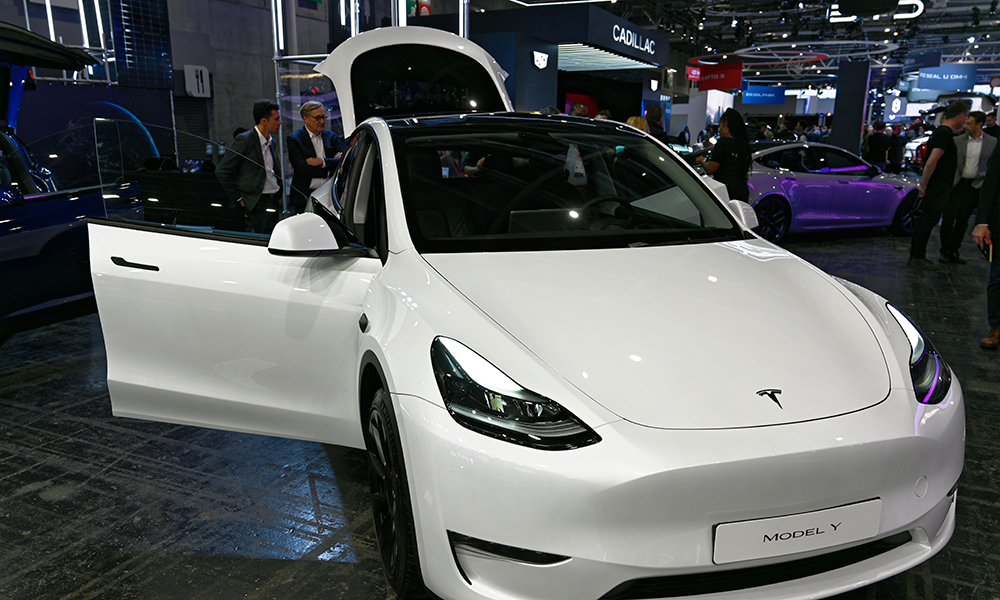
68岁的退休老人克里斯蒂安·菲斯特每天早晨都会在社区街道上遛他的大白熊犬沃利。这个位于奥斯汀东南部的安静社区有绿树成荫的老橡树街道,分布着独栋住宅、双拼别墅和公寓楼,菲斯特已在此生活了26年。大约三周前,在一次晨间散步时,他看到一辆挂着得州厂商牌照的白色特斯拉(Tesla)Model Y驶过,后面紧跟着一辆深色特斯拉。
他看着这两辆一前一后的特斯拉在他前方街道左转,消失在大约半英里外的街区拐角处,随后又从他身边驶过——一次、两次,反反复复。
菲斯特在接受采访时表示:“它们整天就围着同一个街区一遍又一遍地转圈。”
自菲斯特几周前发现这些车辆以来,几辆白色特斯拉(以及一些黑色和灰色特斯拉)开始频繁出现在他居住的小型社区的街道上,反复行驶相同的路线,重复在相同的拐角转弯,前排驾驶座上通常都有司机。但《财富》杂志采访的两位居民表示,他们曾看到一些车辆无人驾驶,在副驾驶座上有人。另一位居民则多次看到车内无人的特斯拉。
特斯拉正在该社区进行车辆测试,为本月底之前在奥斯汀推出期待已久的自动驾驶出租车服务做准备。这家已研发自动驾驶技术逾十年的电动汽车公司表示,它终于准备好迎战Alphabet等无人驾驶出租车竞争对手。Alphabet的子公司Waymo已提供1,000万次付费乘车服务,在四个城市投入运营,并计划很快在另外几个城市推出。埃隆·马斯克向投资者保证,特斯拉的无人驾驶出租车服务最初将小规模启动,投入10至20辆汽车,并将在年底前扩展到其他几个城市。但这一切都将从奥斯汀开始,特别是菲斯特所在的这个小型社区。特斯拉将在这里验证其概念并解决任何小问题。
几周前,当居民们发现特斯拉的无人驾驶出租车时,引起了一些社区居民的警觉。有几位居民在社区信息平台Nextdoor上询问邻居,为何有司机的白色特斯拉会长时间停在他们房子前。一位女性发帖道:“这让我感到不安。”
24岁的阿纳斯塔西娅·马伦上个月刚搬进该社区。她表示,自从她搬进来,就经常看到特斯拉驶过或停在她的双拼别墅前,尤其在她散步的时候。
马伦这样描述那些司机:“他们会紧盯着你看,似乎你挡了他们的路,或者你不应该出现在这里。”她表示,虽然有时她看到车辆行驶时只有副驾驶座上有人,但更常见到的是在驾驶座上有人在操控车辆。她说道:“我有时候能看到确实有人在转动方向盘。”
37岁的奥斯汀居民罗伯特·耶茨住在比马伦和菲斯特家更靠北边的一栋公寓楼里。他表示,他看到公寓楼前停着一排白色特斯拉,开着双闪灯,通常大约四辆一组。在某些情况下,特斯拉会开着双闪灯停在路中间,迫使其他司机只能绕行。据一位居民称,测试有时会持续到晚上10点。《财富》杂志采访的所有居民均表示,他们没有收到特斯拉在其社区进行测试的任何通知或信息。
奥斯汀居民已习惯了在城里看到自动驾驶车辆。Waymo的汽车早在2023年,就已经载着安全员对该市进行地图测绘,此后开始在市区提供无安全驾驶员的载客服务。菲斯特对《财富》杂志表示,他曾看到Waymo车辆在同一社区的闲置地块前过夜停放。几年前,Cruise曾在奥斯汀街头投放无人驾驶出租车,但后来其母公司通用汽车(General Motors)因旧金山一起备受关注的事故,暂停了所有运营,并最终关闭了叫车服务。
但特斯拉车辆的频繁出现,加剧了许多行业观察人士对其技术可行性和自动驾驶方法的质疑。其他自动驾驶汽车公司在推出服务前都需要对道路和社区进行数字地图测绘,但特斯拉声称其纯视觉系统不需要高清地图、雷达或激光雷达技术。特斯拉表示,相比竞争对手,其自动驾驶技术成本更低、适应性更强:特斯拉汽车无需花费数月对一个区域进行测绘,就能识别任何地方的地形。但既然如此,为何特斯拉车辆要在一个社区的相同街道上反复绕行——而且为何许多车辆仍然有人驾驶?
菲斯特表示:“我本以为,也许他们只是坐在驾驶座上,在出现问题时可以接管方向盘。但实际上他们就是在开车。”他指出曾亲眼看到司机的手放在方向盘上。“他们确实在开车,所以这并非无人驾驶。我真的不太理解。”
特斯拉并未回应置评请求。
特斯拉还在得克萨斯州至少另外两个地点进行了测试。据《财富》杂志此前报道,该公司曾在奥斯汀一条单独的僻静街道上安排了与紧急救援车辆的测试。特斯拉还在得克萨斯州佛罗伦萨市的一个训练场,与得克萨斯州公共安全部的碰撞重建小组进行了测试。据得克萨斯州公共安全部发言人表示,在那次活动中,州政府机构设置了特斯拉无人驾驶出租车的运行场景,以便该公司收集信息,了解如何应对与紧急救援人员及设备的各种遭遇情况(如事故现场、闪烁灯光和警笛声)。
然而,在奥斯汀东南部的这个社区里,沿着几个街区的范围,特斯拉在推出服务前的几周里一直在进行常规的、真实世界测试。就在一条繁忙街道的对面,有一个特斯拉超级充电站(约两英里内唯一的充电站),沿路不到两英里处还有一个特斯拉碰撞中心。该社区本身街道安静,不过特斯拉汽车需要穿过一条繁忙道路才能到达充电站。住宅区街道没有划定人行道,因此居民们直接在街上遛狗或推婴儿车——这为车辆提供了在受控环境中应对障碍物的机会。三位居民对《财富》杂志表示,这些车辆行驶速度似乎不超过每小时25英里。
马斯克设定的在六月份推出自动驾驶出租车服务的最终期限即将来临,距离月底仅剩三周时间。彭博社的报道曾暗示该公司的目标是6月12日推出该服务。但截至6月10日,在服务推出前几项重要的待办事项似乎仍未完成。相关机构告诉《财富》杂志,特斯拉提供了紧急救援人员指南草案,但其内容并未最终敲定,截至周二也尚未对奥斯汀交通与工程部或奥斯汀消防局进行紧急救援人员培训。正如《财富》此前报道,该电动汽车制造商告诉市政府员工,将在推出自动驾驶出租车服务之前提供这些项目。(财富中文网)
译者:刘进龙
审校:汪皓
68岁的退休老人克里斯蒂安·菲斯特每天早晨都会在社区街道上遛他的大白熊犬沃利。这个位于奥斯汀东南部的安静社区有绿树成荫的老橡树街道,分布着独栋住宅、双拼别墅和公寓楼,菲斯特已在此生活了26年。大约三周前,在一次晨间散步时,他看到一辆挂着得州厂商牌照的白色特斯拉(Tesla)Model Y驶过,后面紧跟着一辆深色特斯拉。
他看着这两辆一前一后的特斯拉在他前方街道左转,消失在大约半英里外的街区拐角处,随后又从他身边驶过——一次、两次,反反复复。
菲斯特在接受采访时表示:“它们整天就围着同一个街区一遍又一遍地转圈。”
自菲斯特几周前发现这些车辆以来,几辆白色特斯拉(以及一些黑色和灰色特斯拉)开始频繁出现在他居住的小型社区的街道上,反复行驶相同的路线,重复在相同的拐角转弯,前排驾驶座上通常都有司机。但《财富》杂志采访的两位居民表示,他们曾看到一些车辆无人驾驶,在副驾驶座上有人。另一位居民则多次看到车内无人的特斯拉。
特斯拉正在该社区进行车辆测试,为本月底之前在奥斯汀推出期待已久的自动驾驶出租车服务做准备。这家已研发自动驾驶技术逾十年的电动汽车公司表示,它终于准备好迎战Alphabet等无人驾驶出租车竞争对手。Alphabet的子公司Waymo已提供1,000万次付费乘车服务,在四个城市投入运营,并计划很快在另外几个城市推出。埃隆·马斯克向投资者保证,特斯拉的无人驾驶出租车服务最初将小规模启动,投入10至20辆汽车,并将在年底前扩展到其他几个城市。但这一切都将从奥斯汀开始,特别是菲斯特所在的这个小型社区。特斯拉将在这里验证其概念并解决任何小问题。
几周前,当居民们发现特斯拉的无人驾驶出租车时,引起了一些社区居民的警觉。有几位居民在社区信息平台Nextdoor上询问邻居,为何有司机的白色特斯拉会长时间停在他们房子前。一位女性发帖道:“这让我感到不安。”
24岁的阿纳斯塔西娅·马伦上个月刚搬进该社区。她表示,自从她搬进来,就经常看到特斯拉驶过或停在她的双拼别墅前,尤其在她散步的时候。
马伦这样描述那些司机:“他们会紧盯着你看,似乎你挡了他们的路,或者你不应该出现在这里。”她表示,虽然有时她看到车辆行驶时只有副驾驶座上有人,但更常见到的是在驾驶座上有人在操控车辆。她说道:“我有时候能看到确实有人在转动方向盘。”
37岁的奥斯汀居民罗伯特·耶茨住在比马伦和菲斯特家更靠北边的一栋公寓楼里。他表示,他看到公寓楼前停着一排白色特斯拉,开着双闪灯,通常大约四辆一组。在某些情况下,特斯拉会开着双闪灯停在路中间,迫使其他司机只能绕行。据一位居民称,测试有时会持续到晚上10点。《财富》杂志采访的所有居民均表示,他们没有收到特斯拉在其社区进行测试的任何通知或信息。
奥斯汀居民已习惯了在城里看到自动驾驶车辆。Waymo的汽车早在2023年,就已经载着安全员对该市进行地图测绘,此后开始在市区提供无安全驾驶员的载客服务。菲斯特对《财富》杂志表示,他曾看到Waymo车辆在同一社区的闲置地块前过夜停放。几年前,Cruise曾在奥斯汀街头投放无人驾驶出租车,但后来其母公司通用汽车(General Motors)因旧金山一起备受关注的事故,暂停了所有运营,并最终关闭了叫车服务。
但特斯拉车辆的频繁出现,加剧了许多行业观察人士对其技术可行性和自动驾驶方法的质疑。其他自动驾驶汽车公司在推出服务前都需要对道路和社区进行数字地图测绘,但特斯拉声称其纯视觉系统不需要高清地图、雷达或激光雷达技术。特斯拉表示,相比竞争对手,其自动驾驶技术成本更低、适应性更强:特斯拉汽车无需花费数月对一个区域进行测绘,就能识别任何地方的地形。但既然如此,为何特斯拉车辆要在一个社区的相同街道上反复绕行——而且为何许多车辆仍然有人驾驶?
菲斯特表示:“我本以为,也许他们只是坐在驾驶座上,在出现问题时可以接管方向盘。但实际上他们就是在开车。”他指出曾亲眼看到司机的手放在方向盘上。“他们确实在开车,所以这并非无人驾驶。我真的不太理解。”
特斯拉并未回应置评请求。
特斯拉还在得克萨斯州至少另外两个地点进行了测试。据《财富》杂志此前报道,该公司曾在奥斯汀一条单独的僻静街道上安排了与紧急救援车辆的测试。特斯拉还在得克萨斯州佛罗伦萨市的一个训练场,与得克萨斯州公共安全部的碰撞重建小组进行了测试。据得克萨斯州公共安全部发言人表示,在那次活动中,州政府机构设置了特斯拉无人驾驶出租车的运行场景,以便该公司收集信息,了解如何应对与紧急救援人员及设备的各种遭遇情况(如事故现场、闪烁灯光和警笛声)。
然而,在奥斯汀东南部的这个社区里,沿着几个街区的范围,特斯拉在推出服务前的几周里一直在进行常规的、真实世界测试。就在一条繁忙街道的对面,有一个特斯拉超级充电站(约两英里内唯一的充电站),沿路不到两英里处还有一个特斯拉碰撞中心。该社区本身街道安静,不过特斯拉汽车需要穿过一条繁忙道路才能到达充电站。住宅区街道没有划定人行道,因此居民们直接在街上遛狗或推婴儿车——这为车辆提供了在受控环境中应对障碍物的机会。三位居民对《财富》杂志表示,这些车辆行驶速度似乎不超过每小时25英里。
马斯克设定的在六月份推出自动驾驶出租车服务的最终期限即将来临,距离月底仅剩三周时间。彭博社的报道曾暗示该公司的目标是6月12日推出该服务。但截至6月10日,在服务推出前几项重要的待办事项似乎仍未完成。相关机构告诉《财富》杂志,特斯拉提供了紧急救援人员指南草案,但其内容并未最终敲定,截至周二也尚未对奥斯汀交通与工程部或奥斯汀消防局进行紧急救援人员培训。正如《财富》此前报道,该电动汽车制造商告诉市政府员工,将在推出自动驾驶出租车服务之前提供这些项目。(财富中文网)
译者:刘进龙
审校:汪皓
Christian Pfister, a 68-year-old retiree, walks his Great Pyrenees, Wally, each morning on the street in his quiet neighborhood—a compilation of old oak tree-lined streets for single-family homes, duplexes, and apartments in southeast Austin where he’s been living the last 26 years. It was about three weeks ago, on one of these morning strolls, that he spotted a white Tesla Y with a Texas manufacturer plate drive by, with a dark-colored Tesla closely trailing behind it.
He watched as the Tesla tandem conducted a left turn at a street up ahead of him, disappeared around the block for half a mile, then drove by him again—once, then twice, then again and again.
“That’s all they did—around the same block over and over and over, all day long,” Pfister says in an interview.
Since Pfister’s spotting of the vehicles a few weeks ago, a handful of white Teslas (and some black and gray Teslas too) have frequented the streets of Pfister’s small neighborhood, driving the same routes and taking the same turns repeatedly—typically with drivers in the front seat, though two residents in the neighborhood that Fortune interviewed say they have seen some driverless vehicles with someone in the passenger seat. Another resident saw Teslas without anyone in them at all on multiple occasions.
Tesla is testing the vehicles in the neighborhood as it gears up for a long-anticipated launch of its self-driving taxi service in Austin by the end of this month. The EV company, which has been working on autonomous technology for more than a decade now, has said it is finally ready to go up against robotaxi competitors like Alphabet, whose subsidiary Waymo has already offered 10 million paid rides and is operating in four cities and planning to launch soon in several more. Elon Musk has assured investors that Tesla’s robotaxi service, which will initially start small with 10 to 20 vehicles, will expand to several other cities before the end of the year. But it all will start in Austin—and specifically in this small neighborhood—as Tesla proves its concept and irons out any kinks.
When the sightings of Tesla’s robotaxis began a few weeks ago, they raised alarm among some of the people who lived in the neighborhood. A couple of residents took to the community messaging platform Nextdoor to query their neighbors as to why white Teslas—with drivers—were parking in front of their houses for long stretches of time. “It’s freaking me out,” one woman posted.
Anastasia Maren, 24, who moved into the neighborhood last month, said she has seen Teslas drive by or park in front of her duplex repeatedly since she moved in, particularly when she is going on walks.
“They stare you down as if you’re in their way, or you’re the one who shouldn’t be here,” Maren says of the drivers. She says that while she has sometimes seen the vehicles driving around with only someone in the passenger seat—she often sees a person in the driver’s seat controlling the vehicles. “Sometimes I can see the person actually turning the wheel,” she says.
A 37-year-old Austin resident, Robert Yeats, who lives in an apartment complex further north in the neighborhood than Maren and Pfister, says he sees white Teslas line up in front of his apartment, parked and with their hazard lights on, often in groups of about four. In some cases, the Teslas were parked in the middle of the road with their hazard lights on, forcing other drivers to go around them. According to one resident, the tests have occurred as late as 10 p.m. None of the residents Fortune spoke to said they had received any notice or information from Tesla about the testing in their neighborhood.
Austin residents are used to seeing self-driving vehicles around town. Waymo’s cars started mapping the city in 2023 with safety drivers on board, and has since begun offering passenger service around the city without safety drivers in the vehicles. Pfister told Fortune he has seen Waymos parked overnight in front of empty lots in the same neighborhood. A few years ago, Cruise had released robotaxis on the streets of Austin, back before parent company General Motors stopped all rides, and later shut down the ride-hail service, after a high-profile accident in San Francisco.
But the Tesla sightings add to the questions that many industry observers have about the viability of the company’s technology and approach to autonomous driving. While other autonomous vehicle companies have needed to digitally map roads and neighborhoods before launch, Tesla claims that its camera-only system doesn’t require high-definition mapping, radar, or lidar technology. According to the company, its approach to autonomous driving is less expensive and more adaptable than the competition: instead of mapping an area for months, Tesla cars can figure out the terrain wherever they are. But if that’s the case, why are Teslas driving around the same streets of one neighborhood over and over—and why do many of the vehicles have someone driving them?
“I thought, well, maybe they’re just in the driver’s seat, so that if something goes wrong, they can grab the steering wheel. But they are actually driving the car,” Pfister says, noting that he has seen the drivers with their hands on the steering wheel. “They are actually driving the car, so it’s not driverless. I don’t really understand.”
Tesla did not respond to a request for comment.
Tesla has also conducted testing in at least two other locations in Texas. There was a scheduled testing with emergency vehicles in a separate isolated street in Austin, as Fortune earlier reported. Tesla also did testing at a training facility in Florence, Tex., with the Texas Department of Public Safety’s crash reconstruction team. During that event, state agencies set up scenarios for Tesla’s robotaxis to operate, so that the company could collect information about how to respond to various encounters with emergency personnel and equipment, such as crash scenes or flashing lights and sirens, according to a spokesperson for the Texas Department of Public Safety.
But it’s along a few blocks of the neighborhood in southeast Austin where Tesla has been conducting its regular, real-world testing in the weeks before launch. There’s a Tesla Supercharger station just across a busy street—the only station for about two miles—as well as a Tesla collision center less than two miles down the road. The neighborhood itself features quiet streets, though Teslas will have to cross a busy road to get to the charging station. There aren’t sidewalks on the residential streets, so residents walk their dogs or push strollers on the street itself—giving the cars an opportunity to operate with obstacles in a controlled environment. The three residents tell Fortune that the cars appear to operate at speeds no greater than 25 miles per hour.
Tesla is nearing the end of the June deadline that Musk set for launch—with just three weeks until the end of the month. A Bloomberg report had suggested the company was aiming for a June 12 launch. But as of Tuesday, June 10, several important pre-launch checklist items appeared to be outstanding. Tesla had provided drafts, but not finalized emergency responder guides, nor had it conducted emergency responder trainings to the Austin Transportation and Works Department of the Austin Fire Department as of Tuesday, the agencies told Fortune. As Fortune earlier reported, the EV maker told city employees those items would be furnished before the company launches service.

请打开财富Plus APP