


全球顶级高管都有这个习惯,你也可以效仿
Orianna Rosa Royle
2025-08-05
处于顶层1%的成功人士擅长的一点是通过不断学习提升自己。
 文本设置
文本设置
 Plus(0条)

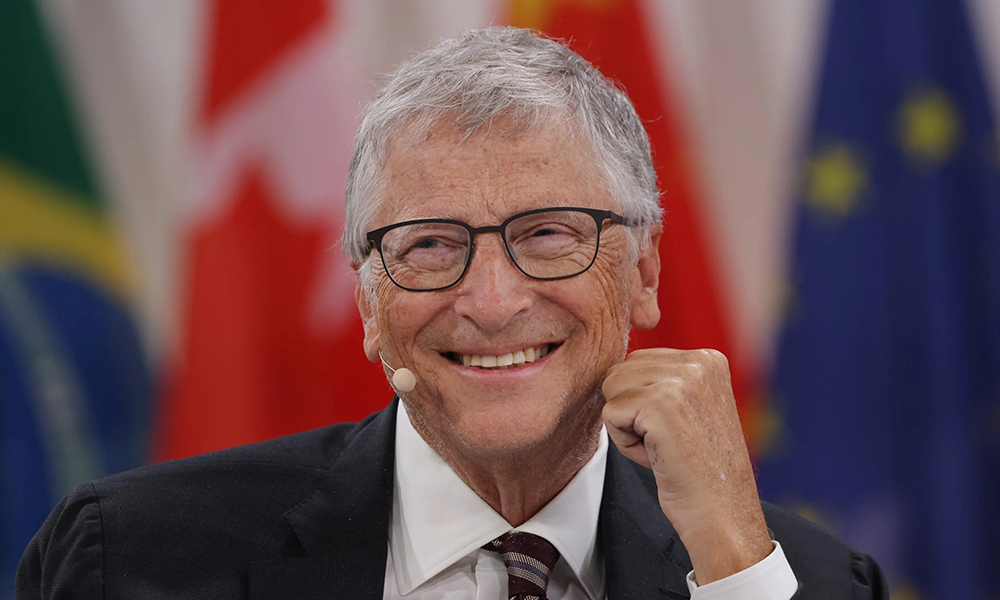
• 从亿万富翁比尔·盖茨(Bill Gates)到前Meta高管雪莉·桑德伯格(Sheryl Sandberg),全球顶尖人士都有一个共同点:他们投资于自身潜力,《财富》世界500强企业职业教练比尔·霍格特普(Bill Hoogterp)如是说,他曾为二人提供指导。他回忆道,盖茨曾腾出一周时间在小屋里读书。“越来越多的领导者都在做同样的事情。”他向《财富》杂志独家透露——而Z世代越早效仿他们,对自身职业生涯越有利。
比尔·霍格特普数十年来一直在为名人、首席执行官以及美国部分最具影响力企业董事会中的新星提供建议。通过其教练公司LifeHikes,他已助力超70万名专业人士提升沟通和领导技能,更亲自为“数千名”高管开展一对一指导,其中许多人都曾荣登《财富》最具影响力商界领袖榜单。
Meta前首席运营官雪莉·桑德伯格及其顶级高管客户有一个共同的习惯。
“我和雪莉·桑德伯格交流时,还开玩笑说,每个人都需要成为自己潜力的首席执行官。”霍格特普告诉《财富》杂志。
但问题在于,“似乎我们当中几乎鲜有人愿意承担这份职责。我们总是倾向于迎合外界的期许,只是被动地回应他人。”
但霍格特普表示,那些处于顶层1%的成功人士擅长的一点是,他们会为自己投资——而且他认为,任何人若想推动职业生涯迈向新高度,都应效仿此举。尤其是处于职业生涯初期的Z世代,通过持续为自身成长投入精力,他们将获得最大收益。
“你不妨这样设想:你有一笔钱,比如几千美元,正要开启自己的职业生涯。你可以把这笔钱塞在床垫底下,等30到60年后再取出来,”他解释道,“或者你可以把它存入银行,每年获得利息。你更倾向选择哪种方式?”
霍格特普表示,不妨设想一下你期望从一项投资中获得的回报率——比如10%,然后每周拿出相应比例的时间用于自我提升。
“倘若你每周工作时长在40到50小时之间,那差不多就是每周要抽出5小时,”霍格特普解释道,“每周都要留出4到5小时投资自己。无论是参加培训、接受指导、阅读书籍,还是观看TED演讲,这些形式都不重要。但要认真对待这件事。”
“倘若你每周都这样做,你最初投入的几千美元,最终将产生价值数千万美元的回报,而其他人醒悟时——他们和我们一样聪明,一样优秀——但20年过去了,他们的职位、思维模式和所处的境地,却几乎和从前并无二致。”
“这种复利式增长源自对自己的投资。”
书籍:比尔·盖茨自我投资的方式
若你不知从何处着手、怎样开启自我投资之旅,霍格特普建议从阅读入手。
“全球顶尖领导者每天都会腾出一小时用于阅读,”他说,并补充道,他们通常会在清晨手捧一本书,开启新的一天。不过,阅读并不一定是每日例行公事。
“我曾与比尔·盖茨共度短暂时光,他发现有大量书籍和文章是他想读却抽不出时间阅读的,”他补充道,“我们每个人的床头柜上都堆着一摞想读却抽不出时间读的书。”
那么这位微软(Microsoft)联合创始人、亿万富翁是如何做的呢?“他会专门腾出一整周时间,屏蔽所有干扰,前往一间小木屋专心读书。他表示这对他的人生产生了变革性影响……事实上,比尔如今每年都会专门抽出两周时间用于阅读。”
“越来越多的领导者也在做同样的事情,”霍格特普补充道,“所以要抽出时间真正地切断外界联系,给自己留出思考的时间,不过得设定明确目标——读完那摞一直想读的书,或者观看TED演讲、阅读文章,也可以将两者结合起来。”
“这也从另一个角度说明,最成功的人对自身的学习和成长是何等重视,而我们这些稍逊一筹的人,不过是在敷衍度日,始终疲于追赶。”
但我不喜欢读书,该怎么办?
对于那些更偏爱观看视频而非阅读书籍的人而言,遗憾的是,霍格特普认为阅读着实是关键所在。
“你得给大脑提供多样化的‘精神食粮’,”他解释道,“所以你确实需要混合阅读,无论是长篇、书籍还是文章。播客很棒,但要努力追求多样化。”
“阅读与听有声书不同,因为阅读时你是主动处理信息,而听有声书时则是被动接受,因此阅读时你能记住的内容要比听有声书时多近31%。”
“还要拿出笔来,就像上学时在书页边的空白处做笔记那样,因为你觉得考试可能会涉及相关内容。哦,这让我想到了这个,”霍格特普补充道,“你的大脑会记住你写下的文字,这意味着你在更深入、更快速、更有力地主动处理信息。”
最后,倘若你依旧缺乏动力专门抽出时间读书,霍格特普建议加入读书俱乐部。这不仅能让你对自己负责,还会迫使你更深入地研读,提出更具价值的问题,并收获真正切实可用的想法。
“你不只是和其他人一起读书,而是和他们一起进行深入探讨,”他说,“你对这章有何见解?哦,这让我想到了这个。我认同这个观点。我反对那个观点。”(财富中文网)
译者:中慧言-王芳
• 从亿万富翁比尔·盖茨(Bill Gates)到前Meta高管雪莉·桑德伯格(Sheryl Sandberg),全球顶尖人士都有一个共同点:他们投资于自身潜力,《财富》世界500强企业职业教练比尔·霍格特普(Bill Hoogterp)如是说,他曾为二人提供指导。他回忆道,盖茨曾腾出一周时间在小屋里读书。“越来越多的领导者都在做同样的事情。”他向《财富》杂志独家透露——而Z世代越早效仿他们,对自身职业生涯越有利。
比尔·霍格特普数十年来一直在为名人、首席执行官以及美国部分最具影响力企业董事会中的新星提供建议。通过其教练公司LifeHikes,他已助力超70万名专业人士提升沟通和领导技能,更亲自为“数千名”高管开展一对一指导,其中许多人都曾荣登《财富》最具影响力商界领袖榜单。
Meta前首席运营官雪莉·桑德伯格及其顶级高管客户有一个共同的习惯。
“我和雪莉·桑德伯格交流时,还开玩笑说,每个人都需要成为自己潜力的首席执行官。”霍格特普告诉《财富》杂志。
但问题在于,“似乎我们当中几乎鲜有人愿意承担这份职责。我们总是倾向于迎合外界的期许,只是被动地回应他人。”
但霍格特普表示,那些处于顶层1%的成功人士擅长的一点是,他们会为自己投资——而且他认为,任何人若想推动职业生涯迈向新高度,都应效仿此举。尤其是处于职业生涯初期的Z世代,通过持续为自身成长投入精力,他们将获得最大收益。
“你不妨这样设想:你有一笔钱,比如几千美元,正要开启自己的职业生涯。你可以把这笔钱塞在床垫底下,等30到60年后再取出来,”他解释道,“或者你可以把它存入银行,每年获得利息。你更倾向选择哪种方式?”
霍格特普表示,不妨设想一下你期望从一项投资中获得的回报率——比如10%,然后每周拿出相应比例的时间用于自我提升。
“倘若你每周工作时长在40到50小时之间,那差不多就是每周要抽出5小时,”霍格特普解释道,“每周都要留出4到5小时投资自己。无论是参加培训、接受指导、阅读书籍,还是观看TED演讲,这些形式都不重要。但要认真对待这件事。”
“倘若你每周都这样做,你最初投入的几千美元,最终将产生价值数千万美元的回报,而其他人醒悟时——他们和我们一样聪明,一样优秀——但20年过去了,他们的职位、思维模式和所处的境地,却几乎和从前并无二致。”
“这种复利式增长源自对自己的投资。”
书籍:比尔·盖茨自我投资的方式
若你不知从何处着手、怎样开启自我投资之旅,霍格特普建议从阅读入手。
“全球顶尖领导者每天都会腾出一小时用于阅读,”他说,并补充道,他们通常会在清晨手捧一本书,开启新的一天。不过,阅读并不一定是每日例行公事。
“我曾与比尔·盖茨共度短暂时光,他发现有大量书籍和文章是他想读却抽不出时间阅读的,”他补充道,“我们每个人的床头柜上都堆着一摞想读却抽不出时间读的书。”
那么这位微软(Microsoft)联合创始人、亿万富翁是如何做的呢?“他会专门腾出一整周时间,屏蔽所有干扰,前往一间小木屋专心读书。他表示这对他的人生产生了变革性影响……事实上,比尔如今每年都会专门抽出两周时间用于阅读。”
“越来越多的领导者也在做同样的事情,”霍格特普补充道,“所以要抽出时间真正地切断外界联系,给自己留出思考的时间,不过得设定明确目标——读完那摞一直想读的书,或者观看TED演讲、阅读文章,也可以将两者结合起来。”
“这也从另一个角度说明,最成功的人对自身的学习和成长是何等重视,而我们这些稍逊一筹的人,不过是在敷衍度日,始终疲于追赶。”
但我不喜欢读书,该怎么办?
对于那些更偏爱观看视频而非阅读书籍的人而言,遗憾的是,霍格特普认为阅读着实是关键所在。
“你得给大脑提供多样化的‘精神食粮’,”他解释道,“所以你确实需要混合阅读,无论是长篇、书籍还是文章。播客很棒,但要努力追求多样化。”
“阅读与听有声书不同,因为阅读时你是主动处理信息,而听有声书时则是被动接受,因此阅读时你能记住的内容要比听有声书时多近31%。”
“还要拿出笔来,就像上学时在书页边的空白处做笔记那样,因为你觉得考试可能会涉及相关内容。哦,这让我想到了这个,”霍格特普补充道,“你的大脑会记住你写下的文字,这意味着你在更深入、更快速、更有力地主动处理信息。”
最后,倘若你依旧缺乏动力专门抽出时间读书,霍格特普建议加入读书俱乐部。这不仅能让你对自己负责,还会迫使你更深入地研读,提出更具价值的问题,并收获真正切实可用的想法。
“你不只是和其他人一起读书,而是和他们一起进行深入探讨,”他说,“你对这章有何见解?哦,这让我想到了这个。我认同这个观点。我反对那个观点。”(财富中文网)
译者:中慧言-王芳
• From billionaire Bill Gates to former Meta exec Sheryl Sandberg, the world’s top performers all have one thing in common: They invest in their own potential, says Bill Hoogterp, the Fortune 500 career coach who’s worked with both. He recalls Gates blocking off an entire week to read in a cabin. “More and more leaders are doing the same thing,” he exclusively tells Fortune—and the sooner Gen Z copies them, the better for their careers.
Bill Hoogterp has spent decades advising celebrities, CEOs, and rising stars inside some of America’s most powerful boardrooms. Through his coaching firm, LifeHikes, he’s helped more than 700,000 professionals level up their communication and leadership skills—and personally worked one-on-one with “thousands” of executives, many of whom appear on Fortune’s most powerful lists.
And there’s one habit that Meta’s former chief operating officer, Sheryl Sandberg, and his top power player clients share.
“I had this chat with Sheryl Sandberg, and we were joking around that we all need to be the CEO of our own potential,” Hoogterp tells Fortune.
The problem? “Almost none of us seems to want the job. We’re constantly kind of deferring to what the world wants and just reacting to everybody else.”
But what the top 1% do well, Hoogterp says, is they invest in themselves—and it’s something he says everyone should be doing if they want to elevate their careers. Especially Gen Zers, who are early in their careers and stand to gain the most by consistently backing their own growth.
“So think of it like this: You have a pot of money, a few $1,000, and you’re starting your career. You could sit it, put it under the mattress and pick it up, 30 to 60 years later,” he explains. “Or you can invest it in the bank and get interest on it every year. Which one would you rather do?”
Hoogterp says to imagine the return you’d expect from an investment—say 10%—and commit that percentage of your time to improving yourself each week.
“So if you are putting in 40 to 50 hours a week, that’s going to be about five hours,” Hoogterp explains. “Every week, you’re going to spend four or five hours on you. Now, whether that’s going to trainings, getting coaching, reading books, watching TED talks, it doesn’t matter. But take it seriously.”
“If you do that every week, your thousands of dollars are going to be worth tens of millions of dollars, whereas somebody else is going to wake up—they’re just as smart, they’re just as good people as us—but 20 years goes by, and they’re more or less in the same position, same mindsets, same place.”
“That interest compounded is based on you, investing in you.”
Books: Bill Gates’ way of investing in himself
If you don’t know where or how to start investing in yourself, Hoogterp suggests taking up reading.
“The top leaders in the world spend an hour a day reading,” he says, adding that they often start their day in the early hours of the morning with a book in their hands. But it doesn’t have to be a daily chore.
“I spent a little time with Bill Gates, and he found that there were a lot of books and articles, things he wanted to read and just didn’t have time,” he adds. “We all have that stack on our nightstand of books that we want to read but haven’t had time.”
So what did the billionaire Microsoft co-founder do? “He took a whole week, blocked everything off, went to a cabin and just read books. He said it was transformative to his life… In fact, Bill now does two weeks a year just reading.”
“More and more leaders are doing the same thing,” Hoogterp adds. “So finding time to really, just really go off the grid, give yourself time to think, but with a purpose—get through that stack of books you’ve been meaning to get to, or TED talks or articles, or a little bit of both.”
“And that is another way to think about how seriously the most successful people take their own learning and growth, whereas us less successful people, we’re just running through the motions. We’re trying to catch up.”
But I am not a reader, what can I do?
Unfortunately for those who prefer to watch videos rather than pick up a book, Hoogterp says reading really is the key here.
“You’ve got to give yourself a disparate diet for your mind,” he explains. “So you do want a mix of reading, whether it’s long form, books, or articles. Podcasts are great, but try to mix it up.”
“Reading is different because you retain almost 31% more when you read something than when you listen to it on audiobooks, because you’re actively processing versus passively processing.”
“And get the pen out, like when you were back in school writing notes in the margin of the book because you think it might be on the test. Oh, this makes me think this,” Hoogterp adds. “Your brain remembers you writing the words, which means you’re actively processing much deeper, much faster, much more powerfully.”
Finally, if you still can’t get the mojo to park some time aside and read, Hoogterp suggests joining a book club. Not only will it hold you accountable, but it’ll force you to dig deeper, ask better questions, and walk away with ideas you can actually use.
“You’re not just reading a book with other people, but you’re tackling it together,” he says. “What do you think about this chapter? Oh, that made me think this. I agreed with this. I didn’t agree with that.”

请打开财富Plus APP